Physical Address
304 North Cardinal St.
Dorchester Center, MA 02124
Physical Address
304 North Cardinal St.
Dorchester Center, MA 02124

Introduction Online scams are becoming more frequent and more sophisticated as digital communication grows. Emails, websites, social media messages, and mobile apps are now common tools used by scammers to target individuals. Many people interact with unfamiliar platforms every day,…
Online Privacy has become a critical concern in the digital age. Every day, people use websites, apps, and online services to communicate, shop, learn, and store personal data. However, much of this activity is tracked, collected, and sometimes shared without clear awareness. As a result, personal information can be exposed to misuse, identity theft, or unwanted surveillance. Protecting digital privacy is no longer optional—it is a basic skill for safe internet use.
Staying Safe on the Internet is essential in today’s digital world, where daily activities such as communication, learning, shopping, and entertainment rely heavily on online platforms. While the internet offers convenience and access to information, it also exposes users to risks like identity theft, malware, scams, and privacy breaches. Without basic knowledge and precautions, personal data and devices can easily be compromised. This article clearly explains what online safety means, why it matters, and how anyone can reduce digital risks. The goal is to provide practical, beginner-friendly guidance that supports safer online habits through simple, proven strategies.
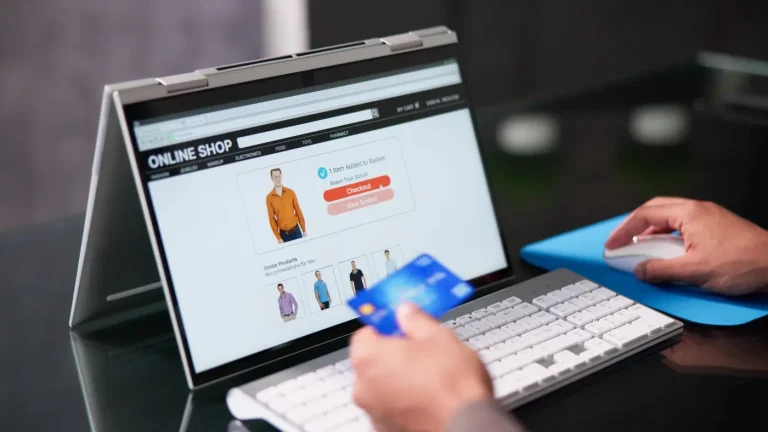
The internet is an essential part of everyday life. People use it to learn, communicate, shop, manage finances, and access services. While the online world offers convenience and opportunity, it also creates space for fraud. Fake websites and online scams are designed to look trustworthy, making it difficult for users to tell what is real and what is not.
Online accounts are a central part of modern life. Email, social media, banking, education platforms, cloud storage, and work tools all rely on secure logins to protect personal and professional information. When an account is hacked, the damage can go far beyond inconvenience. Data may be stolen, identities misused, money lost, and trust broken. Many people assume hacking only happens to others, but most breaches occur because of simple security mistakes that are easy to avoid.